Il Capitale Umano is an opportunity to engage with the present through the artistic and cultural languages that inhabit Casa Museo Molinario Colombari. It is a space of exchange between the visible and the invisible, where works, perspectives, and ideas drawn from different expressive fields intertwine, opening up new ways of reading and interpreting reality. It is an invitation to question and reflect on the idealized images we construct of ourselves and others.
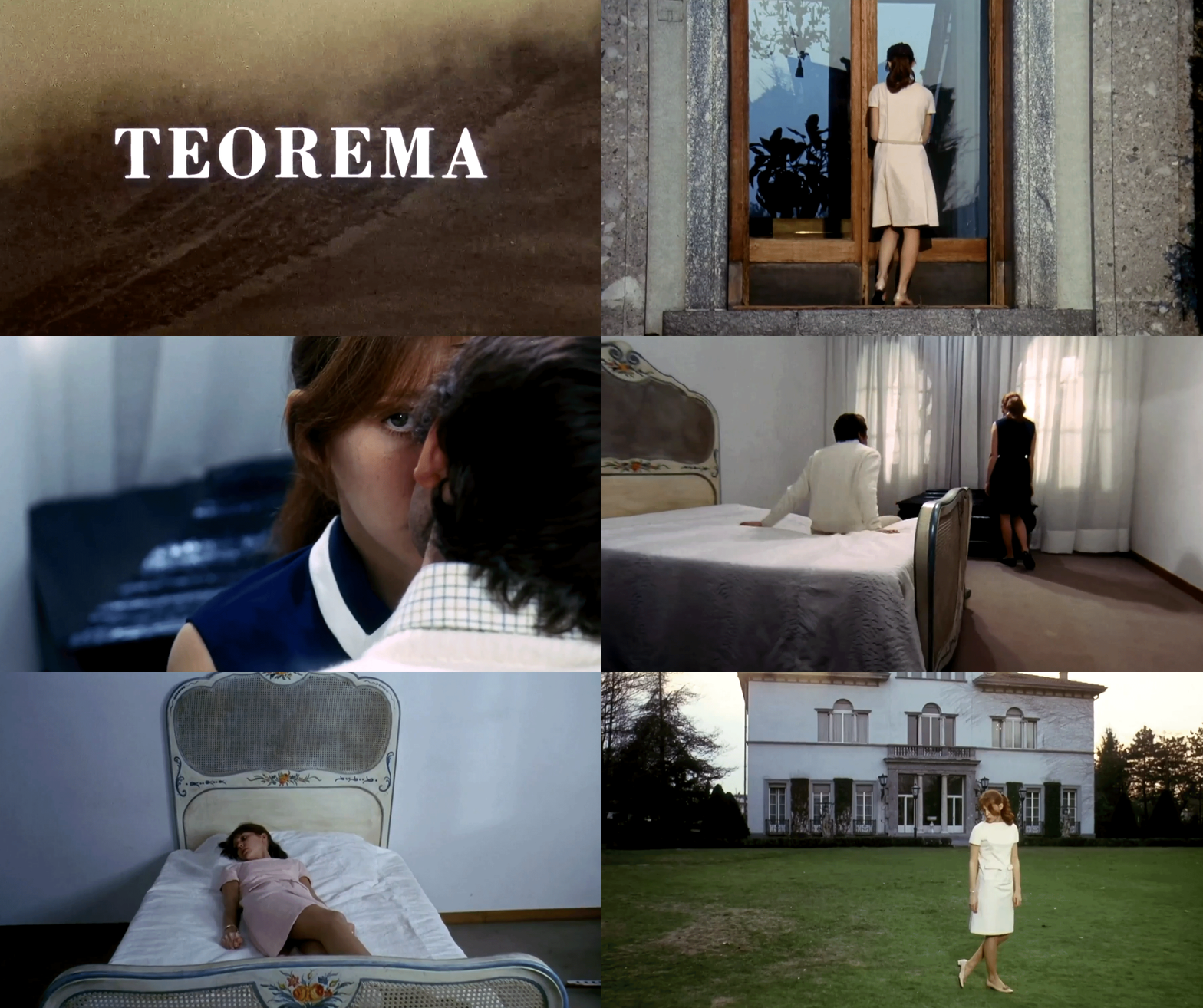
Pier Paolo Pasolini, Teorema, 1968.
“Only being touched by the other keeps life alive.” — Byung-Chul Han, The Society of Pain (2021)
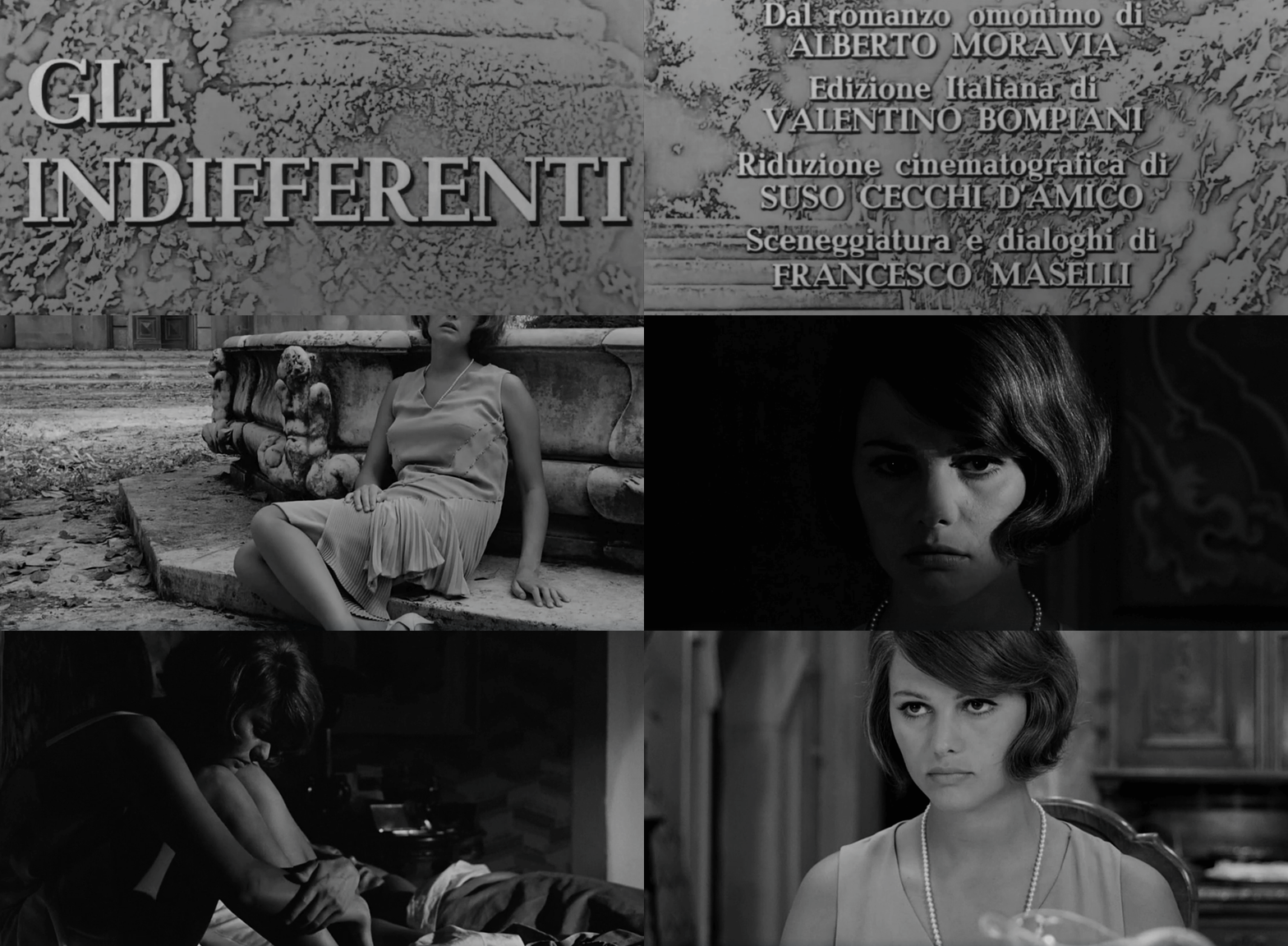
Francesco Maselli, Gli Indifferenti (1964), adapted from Alberto Moravia’s novel.
What happens to people when they try to eliminate pain from their lives?
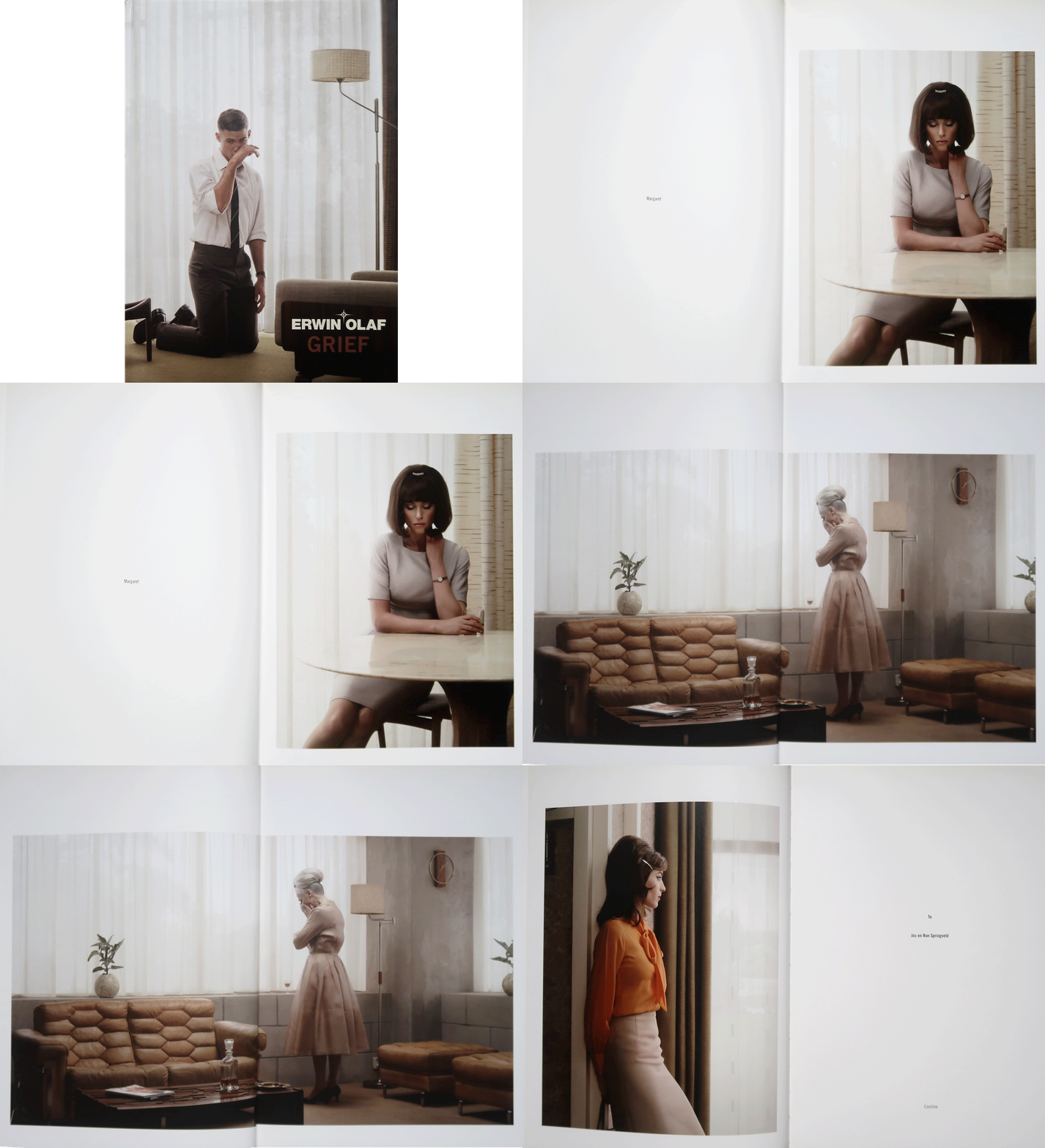
In Erwin Olaf’s portraits, silence and composure conceal a deep emotional paralysis. Motionless bodies and rigid postures convey the image of an existence that appears perfect on the surface, yet is incapable of expressing its own unease.
It is the same immobility that runs through Alberto Moravia’s Gli indifferenti (1929) and Pier Paolo Pasolini’s Teorema (1968), where the gilded cage of society is revealed as a fragile mask, unable to contain desire and conflict.
Erwin Olaf, Grief, 2007, Reflex New Art Gallery.
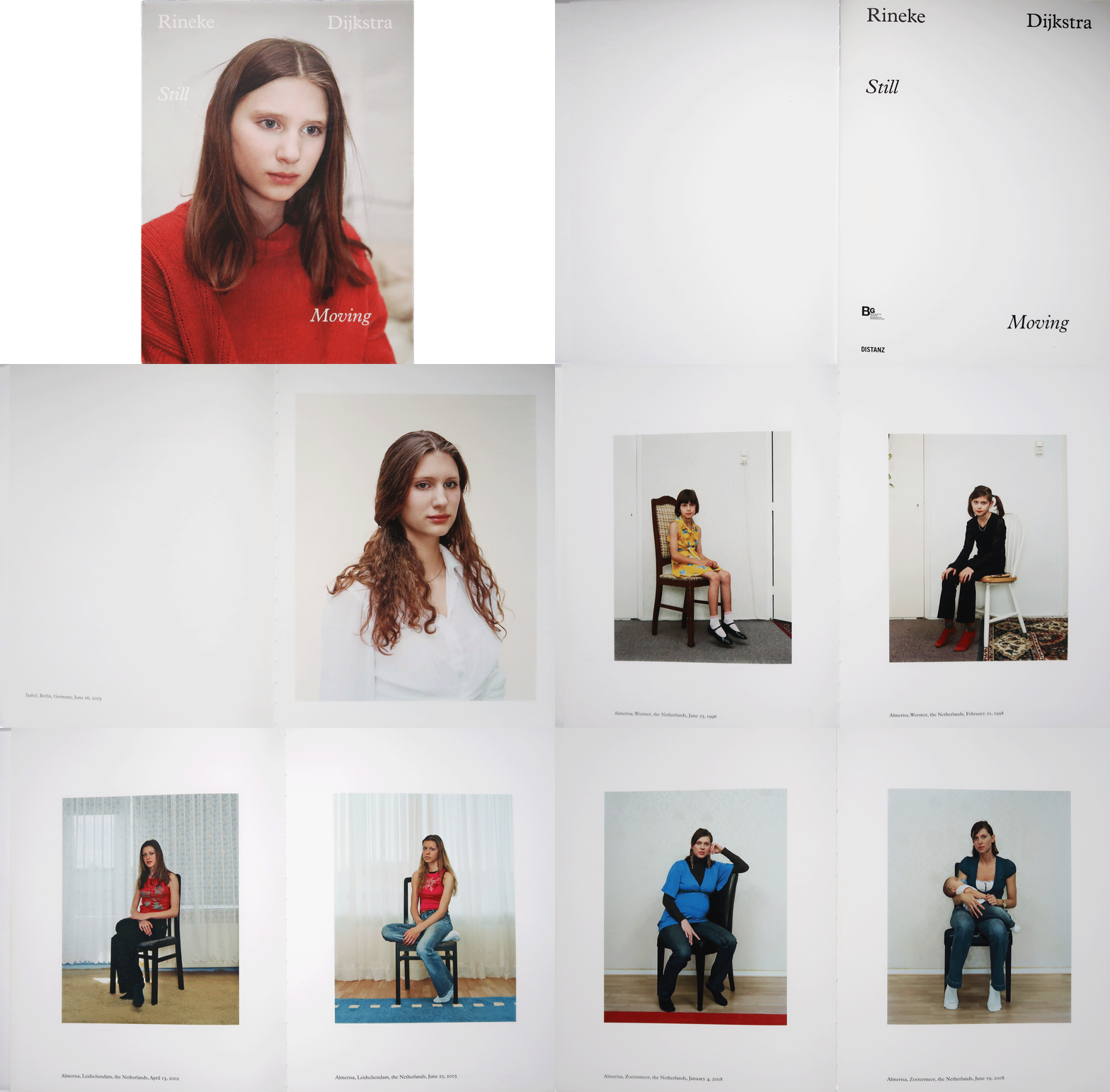
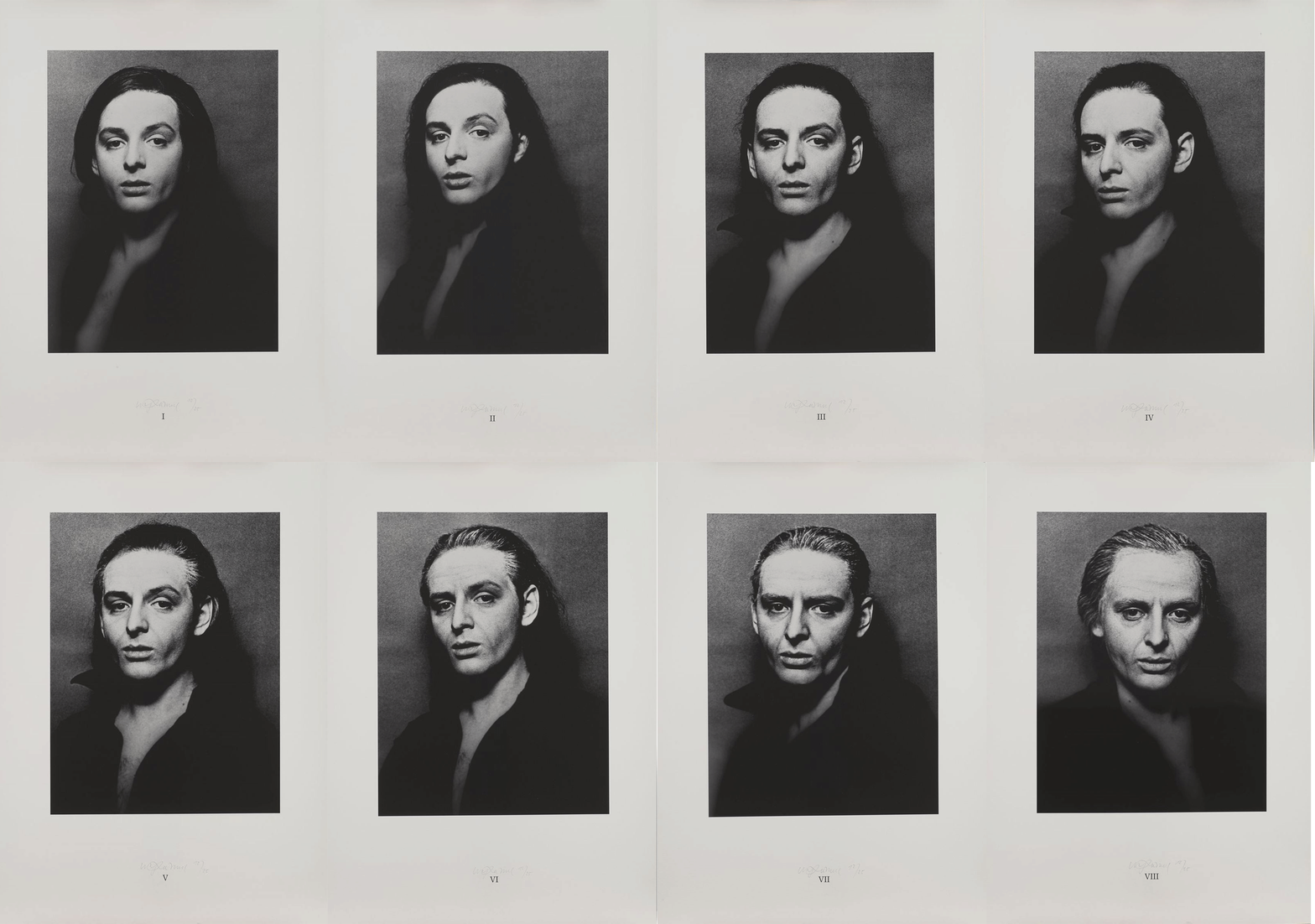
If Isabel, Berlin, June 26, 2003 (2003), the portrait by Dutch photographer Rineke Dijkstra, embodies the liminal space between adolescence and adulthood, Urs Lüthi’s Just Another Story About Leaving (1974) speaks to the courage it takes to let go of a version of ourselves that no longer belongs to us, leaving the viewer to confront an image that cannot be reduced to a single interpretation.
Urs Lüthi, Just Another Story About Leaving, 1974, Galerie Stadler.
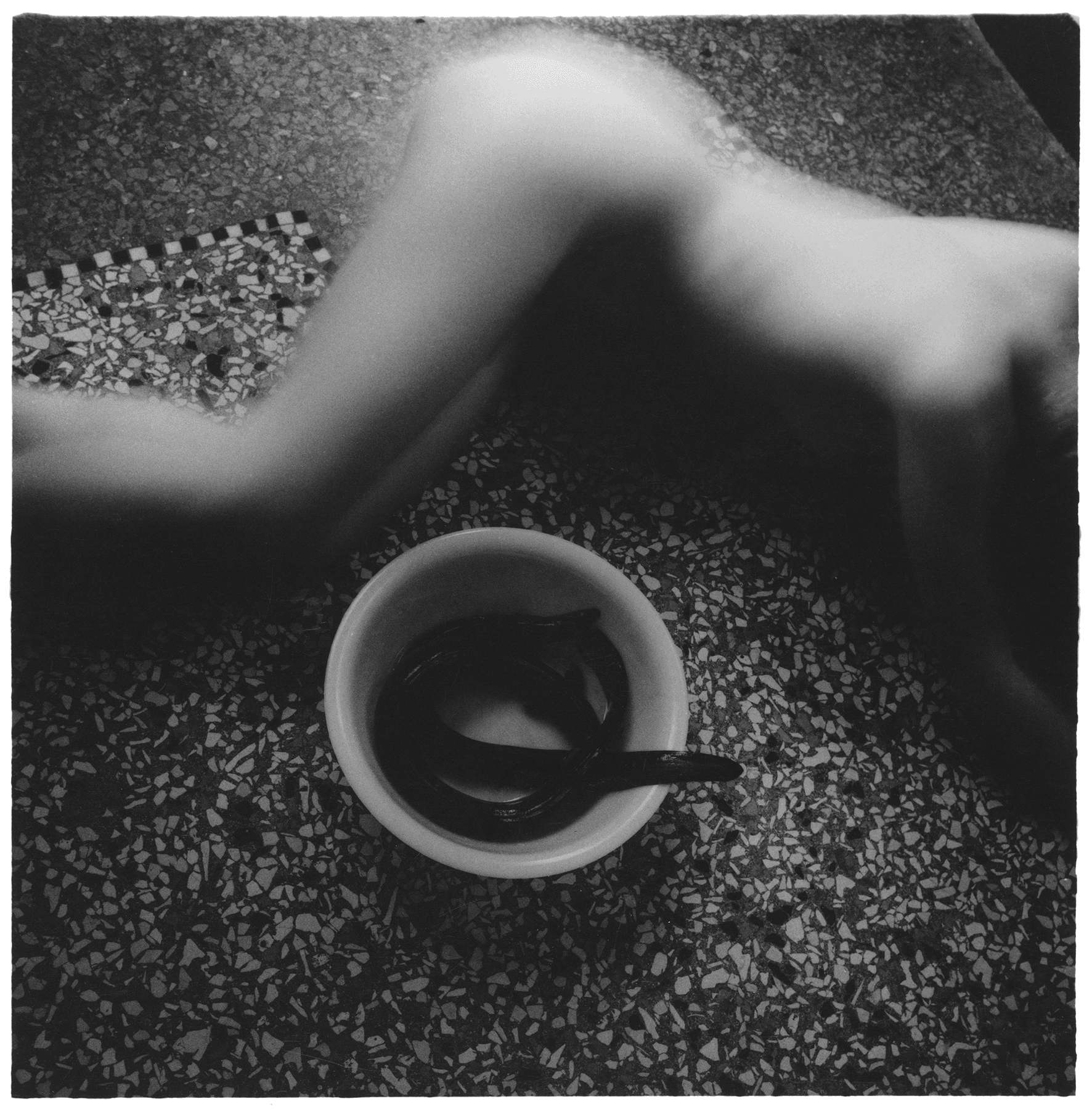
The body becomes a site of tension between ambiguity and representation in Francesca Woodman’s photographs, in dialogue with Vladimir Nabokov’s Lolita (1955), which questions the power of the gaze and the boundary between what appears and what remains inaccessible.
How much of who we are is revealed in the image we present to others?
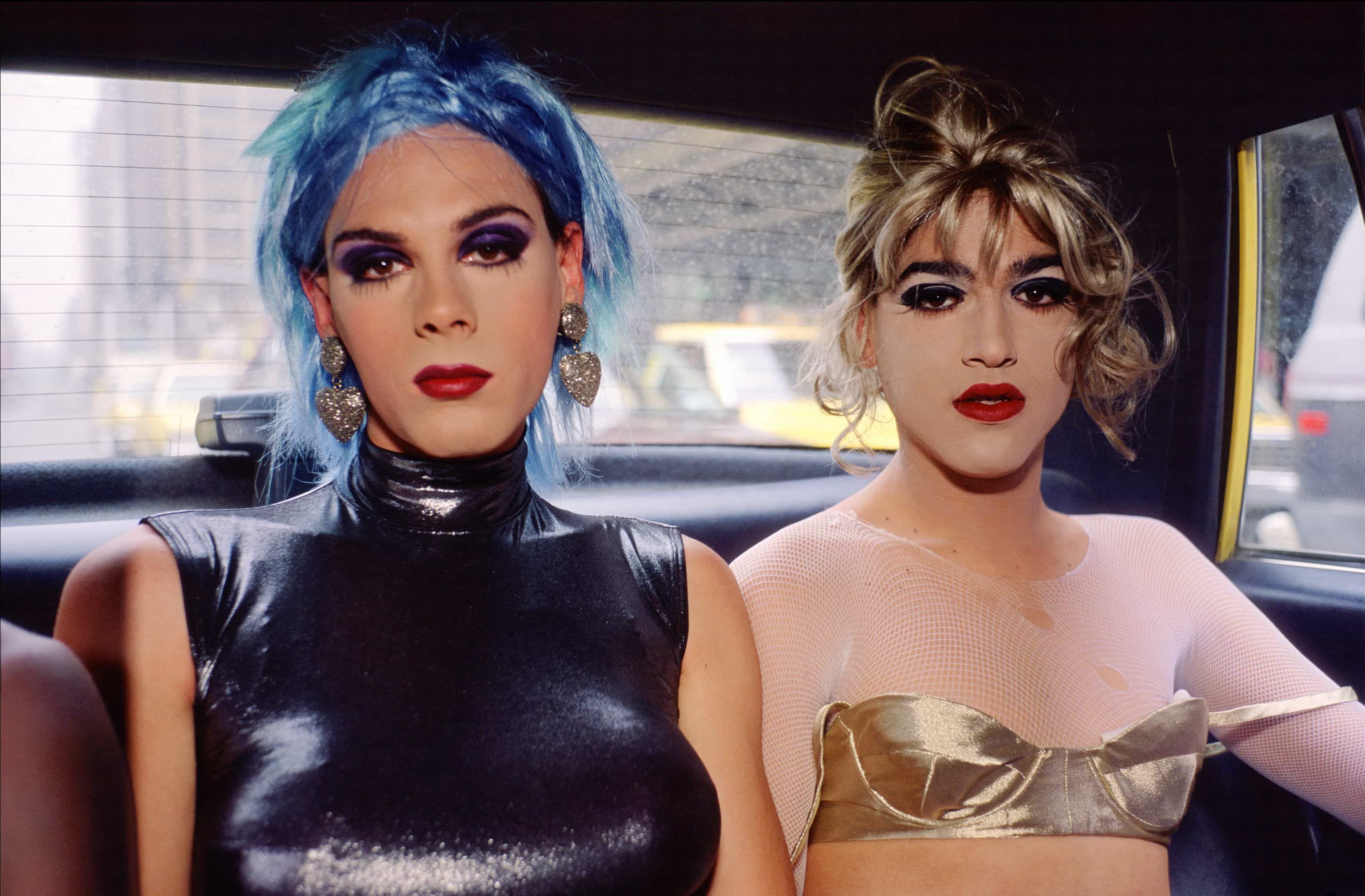
With Nan Goldin, the reflection turns to the emotional realm.
Through The Other Side, the American photographer creates a personal, fragmented narrative of desire, vulnerability, and human connection. In Misty and Jimmy Paulette in a Taxi, NYC (1991), the two subjects assert their individuality with striking force. Their bold makeup and flamboyant clothes become tools of self-expression and belonging. Set inside a taxi moving through New York, the image offers an intimate glimpse of closeness and shared experience, showing how relationships help shape who we are, beyond any idea of social belonging or recognition.
Different voices explore the value of emotion, the fragility of human bonds, and our ability to truly see one another. In trying to shield ourselves from pain, we risk losing what makes us human: the capacity to feel.
Every Wednesday, Casa welcomes you.
Discover Il Capitale Umano.